Outreach: Expanding the Ancient World
Expanding the Ancient World consists of two parts: (1) ETAW: K-12, a professional development program for K-12 teachers, and (2) ETAW: Community College, a mentorship program for local community college students.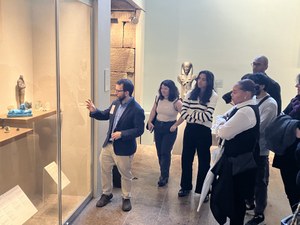 ETAW: K-12 is a series of professional development workshops and online resources for teachers. Keyed to the NYC Department of Education Social Studies Scope and Sequence, the program is designed to offer K–12 educators opportunities to develop their knowledge of the ancient world while providing classroom-ready strategies for teaching the past with reliable sources. Through inquiry-based workshops, flexible lesson plans, and engagement with up-to-date research, ETAW equips educators with the tools and perspectives they can bring directly into their classrooms. The program emphasizes critical thinking, accessibility, and evidence-based approaches to the ancient past, ensuring that students encounter a more expansive and connected understanding of early societies. Our workshops are free and open to anyone, and we can provide Continuing Teacher and Leader Education (CTLE) credits to teachers in the state of New York.
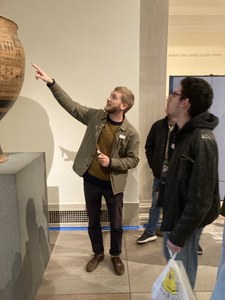 ETAW: Community College is a mentorship program, organized in partnership with faculty at Queensborough Community College and Borough of Manhattan Community College, that's designed to foster and support the study of the ancient world at local community colleges and to provide NYU graduate students with opportunities to work with students from diverse educational backgrounds, to improve their teaching and mentoring skills, and to share their knowledge of and enthusiasm for the ancient world with the broader New York City community. NYU graduate student mentors in the program guide local community college students as they work on a course-based research assignment focused on objects from the collection of the Metropolitan Museum of Art. Community college participants improve their research, writing, and presentation skills and develop an appreciation for the city's museums and cultural institutions as a shared community resource.