ISAW Library Internship Report: Discovery and the Nina Garsoïan Collection on Armenian Language & History, Part 2
Beyond selecting items that illustrate the nature of my work during my time at the ISAW Library, I want to draw attention to the scholarly value and prospective utility of the Garsoïan Collection for patrons. The collection has something for a wide range of readers; from scholars of the ancient world; to researchers in Armenian studies, Armenian manuscript traditions in particular; and scholars focused on adjacent fields or regions whose work might not obviously bring them to an Armenian collection at first. A (by no means exhaustive) selection of texts from the collection is presented below, chosen in order to highlight its diversity, breadth, and potential to future patrons.
The volume I would direct the ISAW community to first is Nersēs Sargisian's (Ներսէս Սարգիսեան) Տեղագրութիւնք ի Փոքր եւ ի Մեծ Հայս / Teghagrutʻiwnkʻ i Pʻokʻr ew i Mets Hays (“Topographies in Lesser and Greater Armenia”), printed at the Mekhitarist press on San Lazzaro in 1864. Sargisian collected inscriptions in Latin, cuneiform Urartian, Greek, and Georgian from sites across Asia Minor and historical Armenia, treated them comparatively, and reproduced many of them on detailed and large folding plates. For anyone working on Urartian, Classical, or South Caucasian epigraphy, the volume offers a substantial nineteenth-century corpus and remains a striking object in its own right.
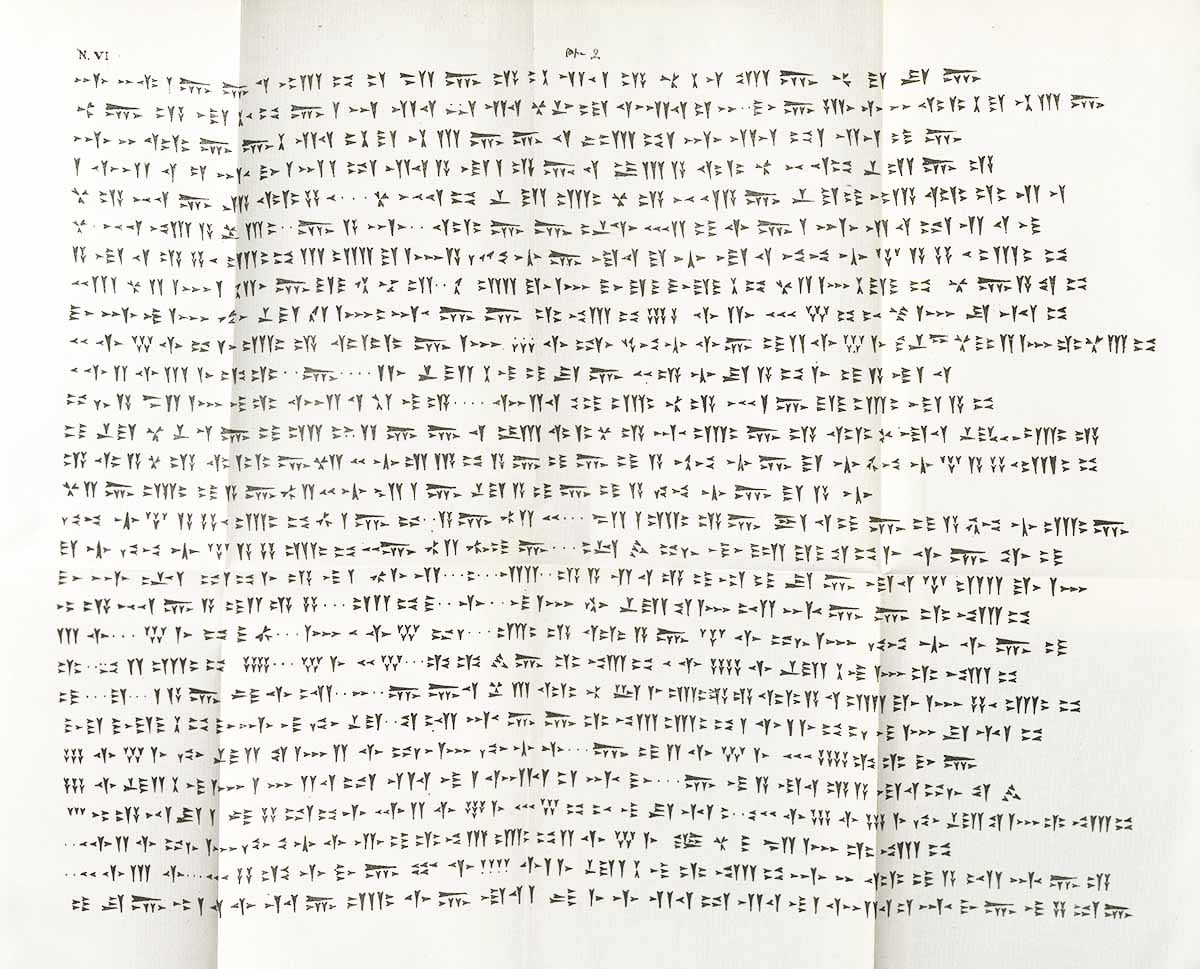 Fold-out plate reproduction of Urartian inscriptions from Asia Minor, from Nersēs Sargisian's Տեղագրութիւնք ի Փոքր եւ ի Մեծ Հայս
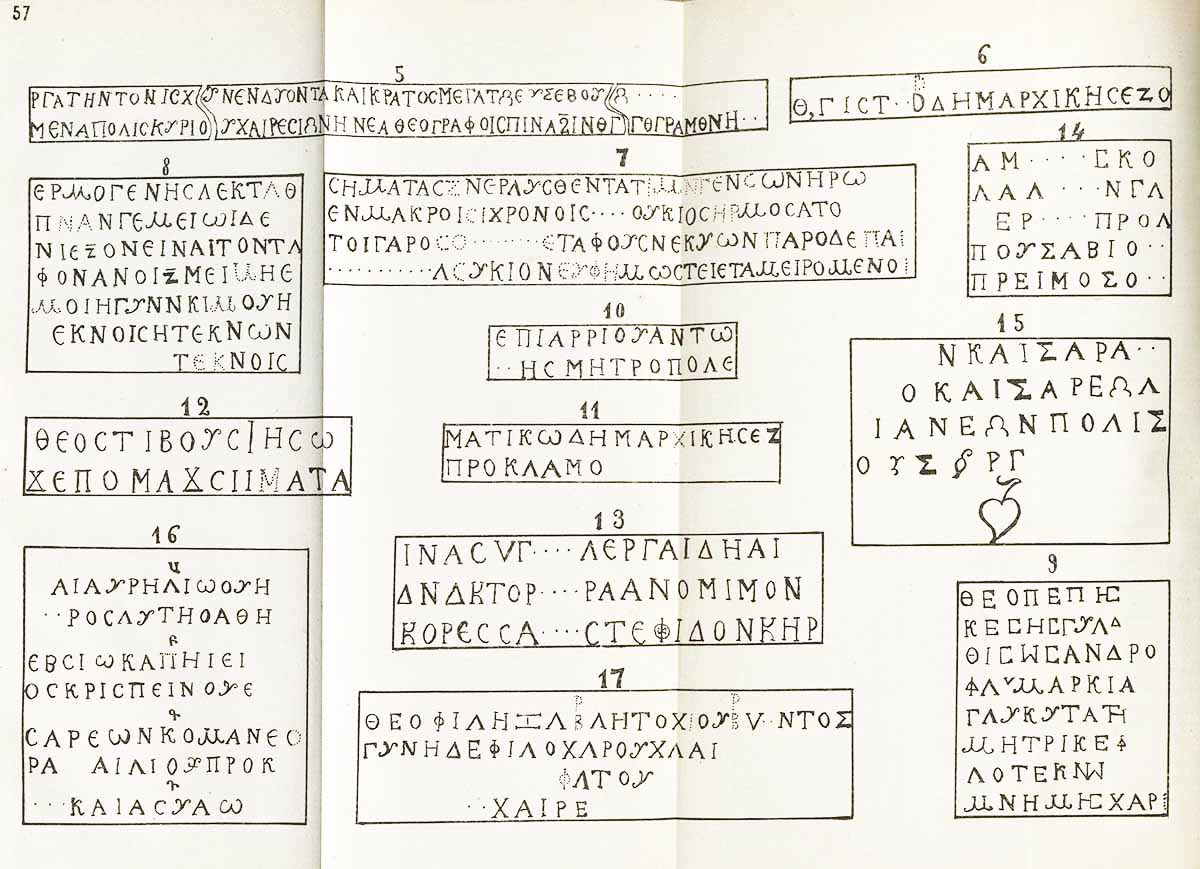 Fold-out plate reproducting Greek inscriptions from Asia Minor, from Nersēs Sargisian's Տեղագրութիւնք ի Փոքր եւ ի Մեծ Հայս.
Sargisian builds on an older Mekhitarist work that the collection also includes, Ghukas Inchichean's (Ղուկաս Ինճիճեան) three-volume Հնախօսութիւն աշխարհագրական Հայաստանեայց աշխարհի / Hnakhōsutʻiwn ashkharhagrakan Hayastaneaytsʻ ashkharhi (San Lazzaro, 1835), an earlier and broader survey of the historical geography of the Armenian world, illustrated throughout. Further sources for Urartian writing, along with a rich catalog of Urartian artifacts housed in the Georgian National Museum, Tbilisi, can be found in the collection’s edition of საქართველოს სახელმწიფო მუზეუმი (1939).
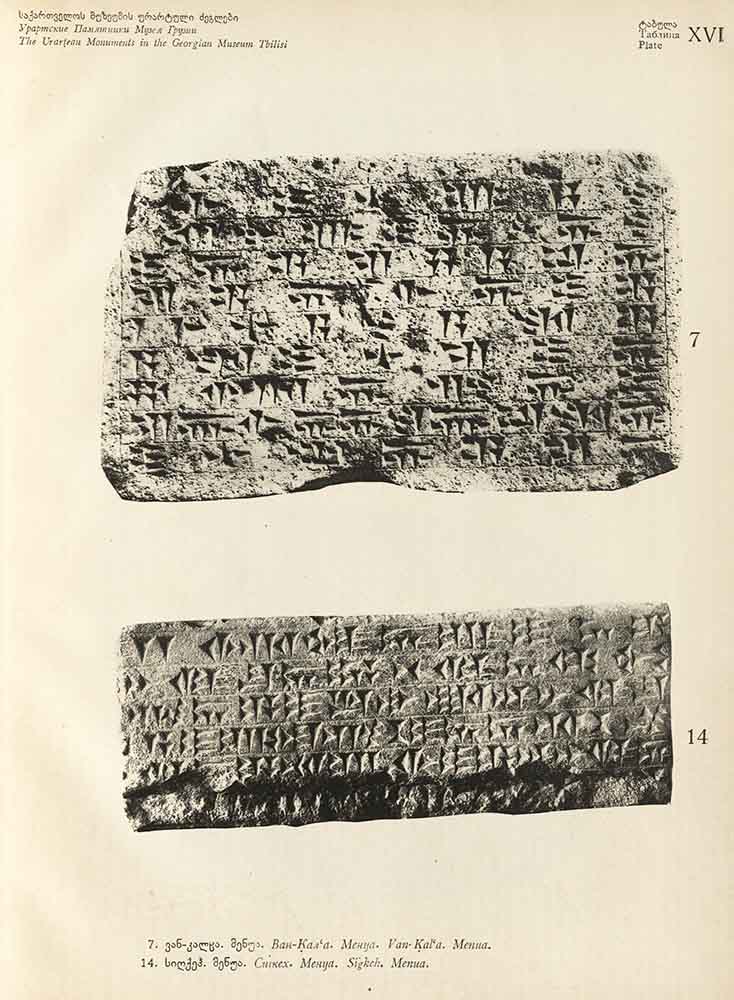 Plate showing two cuneiform tablets with Urartian inscriptions held by the Georgian National Museum, from საქართველოს სახელმწიფო მუზეუმი (1939).
For readers approaching the collection from within Armenian studies, the most important holdings are the Mekhitarist publications from Venice and Vienna. The Mekhitarists are an Armenian Catholic congregation founded in 1701 by Mekhitar of Sebaste and established on San Lazzaro in Venice in 1717. A 1773 schism produced a second house that settled in Vienna; the two were formally reunited in 2000. Between the eighteenth and twentieth centuries, their multilingual presses produced much of the scholarly infrastructure of modern Armenian studies. The first complete dictionary of Classical Armenian was Mekhitar's own Բառգիրք Հայկազեան լեզուի (1749, 1769); the collection holds the later abridged Առձեռն բառարան Հայկազնեան լեզուի compiled by Mkrtich Avgeryan (Մկրտիչ Աւգերեան). Beside it sits the work that established modern Armenian historiography, Mikayel Chamchian’s (Միքայէլ Չամչեան) three-volume Patmutʻiwn hayotsʻ / Պատմութիւն հայոց (San Lazzaro, 1784–1786), the first critical history of the Armenian people. From a generation later, the collection holds Avgeryan’s own two-volume folio Liakatar varkʻ ew vkayabanutʻiwn srbotsʻ / Լիակատար վարք եւ վկայաբանութիւն սրբոց (San Lazzaro, 1810), a full hagiography of the saints in the Armenian liturgical calendar. The ISAW copy is beautifully bound in red Venetian wallpaper binding, something shared in common with many of Nina Garsoïan’s Armenian editions published in Continental Europe. (With a text block over 5 inches thick, it is also one of the bulkiest books in the ISAW Library’s collection!)
From the Vienna house, Nersēs Akinean's (Ներսէս Ակինեան) Hing pandukht taghasatsʻner / Հինգ պանդուխտ տաղասացներ (Vienna, Mkhitʻarean Tparan, 1921) is a study of five sixteenth- and seventeenth-century diaspora Armenian poets, published as part of the Azgayin matenadaran series. This series serves as a reasonable shorthand for the philological work of the Vienna house across the late 19th and 20th centuries. The collection also includes critical editions of the major classical Armenian historians and Armenian translations of much of the Greek and Latin canon. Venice and Vienna are jointly responsible for editing and preserving most of the classical Armenian textual tradition and for standardizing the literary language.
For modern Armenian itself, the collection includes the standard reference four-volume Հայերէն բացատրական բառարան / Hayerēn batsʻatrakan baṛaran of Stepan Malkhasyants, the monolingual explanatory dictionary first published in Yerevan in 1944–45, reprinted in Beirut in 1955–56, and present here in a 1982/83 Tehran facsimile from Kitābfurūshī-i Nāyirī, کتابفروشی نایری). The Iranian-Armenian press kept Malkhasyantsʻ in active circulation in the Iranian diaspora, and the Tehran imprint also reflects something of the Iranian-Armenian community's distinctive linguistic profile, which pairs Eastern Armenian phonology with Classical (Grabar/Mesropian) orthography rather than the reformed Soviet orthography introduced after 1922 for most other Eastern Armenian speakers.
Garsoïan collected widely across the Armenian diaspora. From Cairo, the collection includes Arshag Alboyadjian's Պատմական Հայաստանի Սահմանները / Patmakan Hayastani sahmannerě (“The Boundaries of Historical Armenia,” 1950), a 479-page study of the geography of historical Armenia with seventeen leaves of color maps. Yervant H. Kassouny's Կիլիկիոյ Հայկական Իշխանապետութիւնը Մերձաւոր Արեւելքի քաղաքական հոլովոյթին մէջ, 1080-1137 / Kilikioy Haykakan Ishkhanapetutʻiwně Merdzawor Arewelkʻi kʻaghakʻakan holovoytʻin mēj, 1080–1137 (Beirut, 1974) is a Beirut Armenian monograph on the early Armenian Princedom of Cilicia in the Crusader-era Near East and titled in Armenian, English, and Arabic (إمارة كيليكيا الأرمنية خلال التقلبات السياسية في الشرق الأوسط، ١٠٨٠–١١٣٧م).
The collection has a good deal to offer researchers who, at first glance, might not otherwise have a need to consult an Armenian collection. For Iranian historians, the Matenadaran in Yerevan has been publishing its Persian-language holdings in a series titled Մատենադարանի պարսկերեն վավերագրերը (Persian Documents of the Matenadaran). The collection includes the first two volumes: Հրովարտակներ / Hrovartakner (royal decrees, farāmīn / فرامین فارسى ماتناداران) and Կալվածագրեր / Kalvatsagrer (property deeds, qabālejāt / قبالهجات فارسى ماتناداران). Both volumes pair fold-out facsimiles of the full Safavid or Qajar folios with print Persian transcriptions. That makes them usable for Perso-Arabic paleographic training even for readers who cannot easily work through the Armenian apparatus.
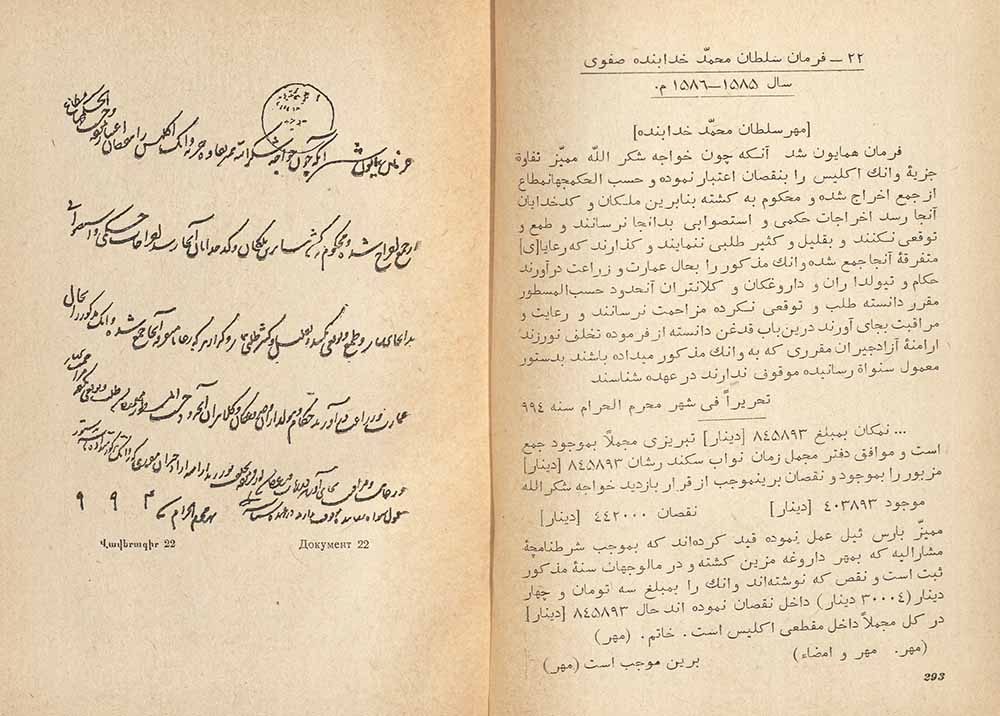 Select pages from the Հրովարտակներ edition of the Մատենադարանի Պարսկերեն Հրովարտակները series featuring photolithographic reproduction of the original manuscript, a “فرمان سلطان محمد خدابنده صفوی”, paired with its transcription into monospaced Persian linotype.
For Greek knowledge of the Caucasus, Tinatin Kaukhchishvili’s multivolume ბერძენი მწერლების ცნობები საქართველოს შესახებ / Berżeni mcerlebis cʻnobebi Sakʻartʻvelos šesaxeb (Tbilisi, 1967– ) collects Greek testimonia with Georgian translation and commentary. The set runs from Scylax of Caryanda and Polybius through to Aristotle, Diodorus, Dionysius of Halicarnassus, Josephus, and Arrian. Further afield, Michael Gketakos's Greek-language Η παρα την Νεαν Επιδαυρον Μονη Αγνουντος (Athens, 1974) is a study of the Monastery of Hagnountos near Nea Epidauros.
Indo-Iranian philologists working without Armenian can use R. Abrahamyan and G. M. Nalbandyan's Pahlavi-Persian-Armenian-Russian-English Dictionary (Erevan: Mitkʻ, 1965) as a working five-language reference; Nalbandyan included a short Pahlavi grammar at the front of the volume. For comparative Indo-European philology, the collection also holds Harutʻiwn Tʻireakʻean's (Հարութիւն Թիրեաքեան) Հայ-երանական ուսումնասիրութիւնք / Hay-eranakan usumnasirutʻiwnkʻ (Vienna, Mkhitʻarean Tparan, 1922), one of the more sustained Mekhitarist treatments of Armeno-Iranian linguistic contact.
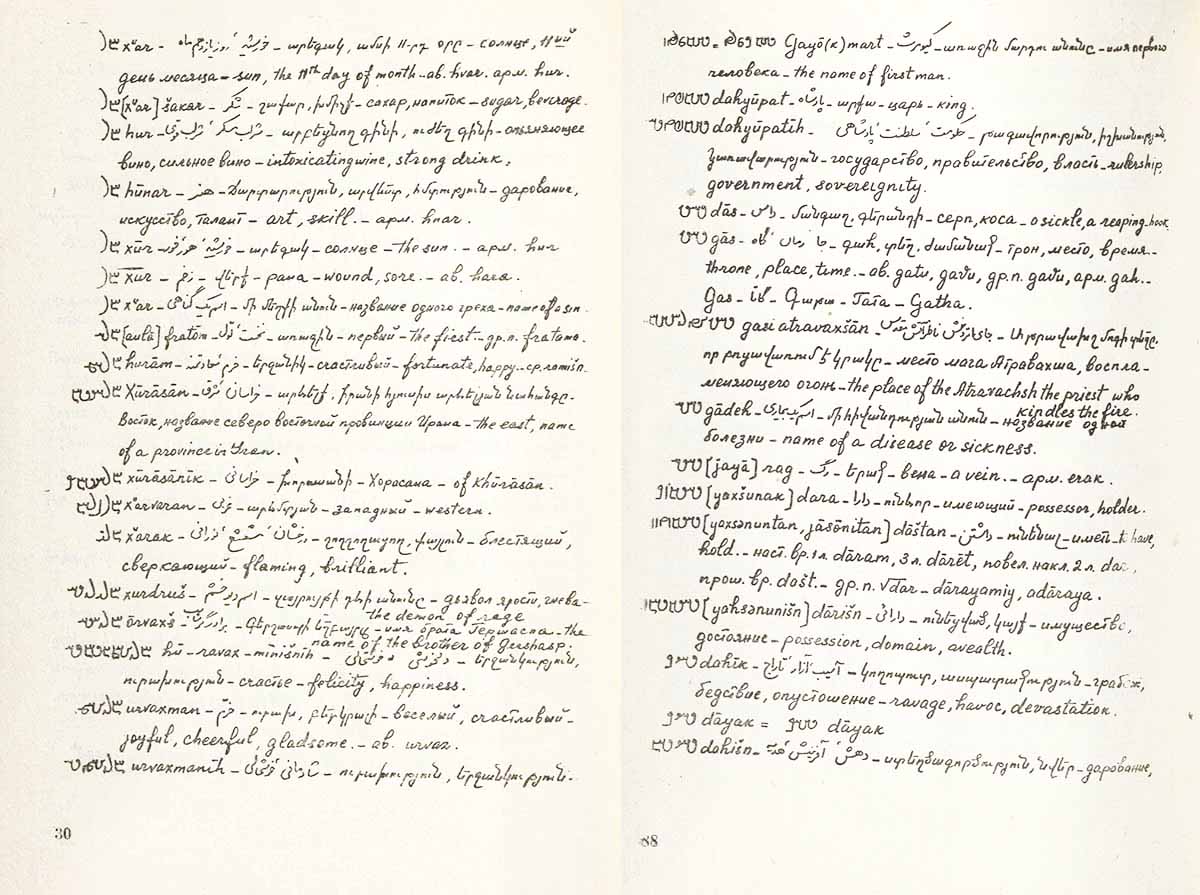 Two pages from Nalbandyan's Pahlavi-Persian-Armenian-Russian-English Dictionary (Erevan: Mitkʻ, 1965), a pentaglot dictionary with words and defintions in Book Pahlavi script, romanized Pahlavi, Modern Persian, Armenian, Russian, and English.
Two items are especially noteworthy for historians of the Caucasus and Georgia. Ukhtanēs of Sebastia's tenth-century ისტორია გამოყოფისა ქართველთა სომეხთაგან / Istoria gamoqopʻisa kʻartʻveltʻa somextʻagan (History of the Separation of the Georgians from the Armenians, Tbilisi, 1975) is present in the collection in Zaza Aleksidze’s dual-language Armenian-Georgian edition. Beside it, Renée Schmerling's folio album ქართულ ხელნაწერთა მორთულობის ნიმუშები / Kʻartʻul xelnacertʻa mortʻulobis nimušebi (Tbilisi, 1940) reproduces decorative elements from medieval Georgian manuscripts across thirty-two plates, eleven of them in color, with notes in Georgian, Russian, and French. It serves as a natural companion volume to anyone researching Near Eastern and Caucasian manuscript painting. Another book focuses on illustrations from different periods of the foundational epic of Georgian literature: ვეფხისტყაოსნის დასურათება: მინიატურები შესრულებული XVI–XVIII საუკუნეებში / Illustrating the Vepkhistqaosani: Miniatures Executed in the 16th–18th Centuries (1966).
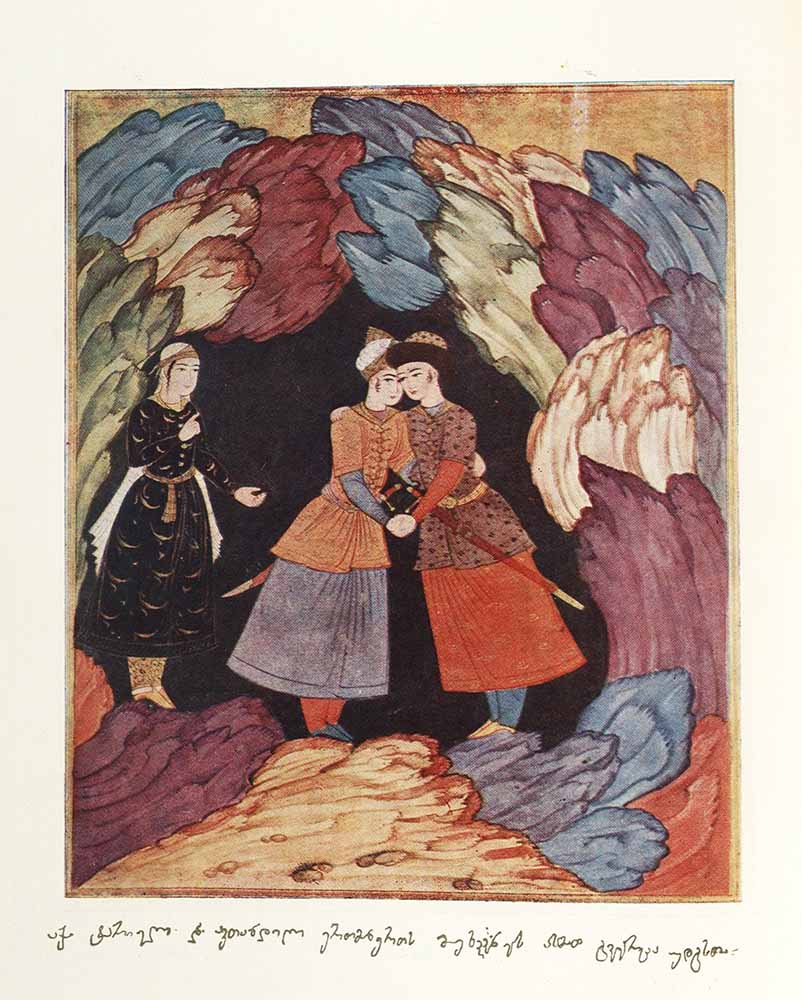 A reproduction of a miniature illustrating a scene from Shota Rustaveli's Vepkhistqaosani (The Knight in the Panther's Skin), reproduced in ვეფხისტყაოსნის დასურათება: მინიატურები შესრულებული XVI–XVIII საუკუნეებში (Illustrating the Vepkhistqaosani: Miniatures Executed in the 16th–18th Centuries, 1966).
The collection also includes two volumes of Armenian translations of sources from neighboring traditions. H. Tʻ. Nalbandyan's Արաբական աղբյուրները Հայաստանի և հարևան երկրների մասին / Arabakan aghbyurnerě Hayastani ev harevan erkrneri masin (Yerevan, 1965) translates excerpts from Yāqūt al-Ḥamawī's (ياقوت بن عبد الله الحموي) Muʻjam al-buldān (كتاب معجم البلدان), Abū al-Fidāʼ Ismāʻīl ibn ʻAlī's (ابو الفداء اسماعيل بن علي) al-Mukhtaṣar fī akhbār al-bashar (المختصر في أخبار البشر), and Ibn Shaddād’s (ابن شداد) Sīrat Ṣalāḥ al-Dīn (سيرة صلاح الدين). S. Eremyan's third volume of Թուրքական աղբյուրներ / Tʻurkʻakan aghbyurner (Yerevan, 1967– ) contains A. Kh. Safrastyan's annotated translation of the Armenian, Caucasian, and Asia Minor sections of Evliya Çelebi's Seyâhatnâme (سياحتنامه).
Heciyê Cindî's (Հաջիե Ջնդի) Հայ և քուրդ ժողովուրդների բարեկամության արտացոլումը բանահյուսության մեջ / Hay ev kʻurd zhoghovurdneri barekamutʻyan artatsʻolumě banahyusutʻyan mej (Yerevan, 1965) collects Kurdish poems and songs in the Kurdish Cyrillic orthography then in use in Soviet Armenia, alongside Armenian folk and dialect material that incorporates Kurdish loanwords, with musical notation supplied for some of the songs. Cindî was among the most significant figures in the 20th-century institutional study of Kurdish and Yezidi oral traditions, working out of Yerevan. The volume has few real counterparts for scholars of Kurdish musicology or of the cultural interaction between Armenian and Kurdish communities.
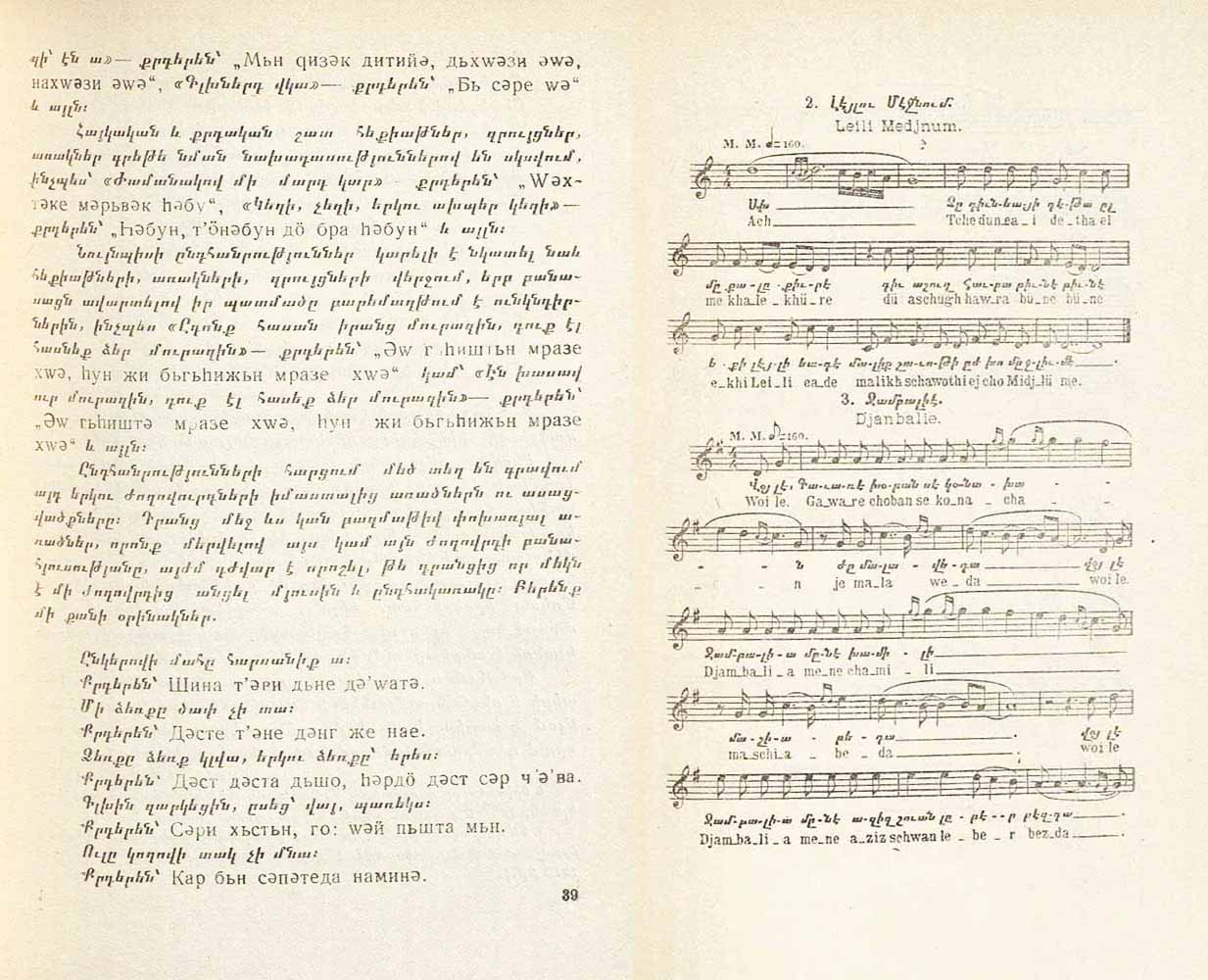 Pages from Heciyê Cindî's Hay ev kʻurd zhoghovurdneri barekamutʻyan artatsʻolumě banahyusutʻyan mej showing Kurdish folk song lyrics in Cyrillic orthography and Armenian orthography/German transcription alongside its musical notation.
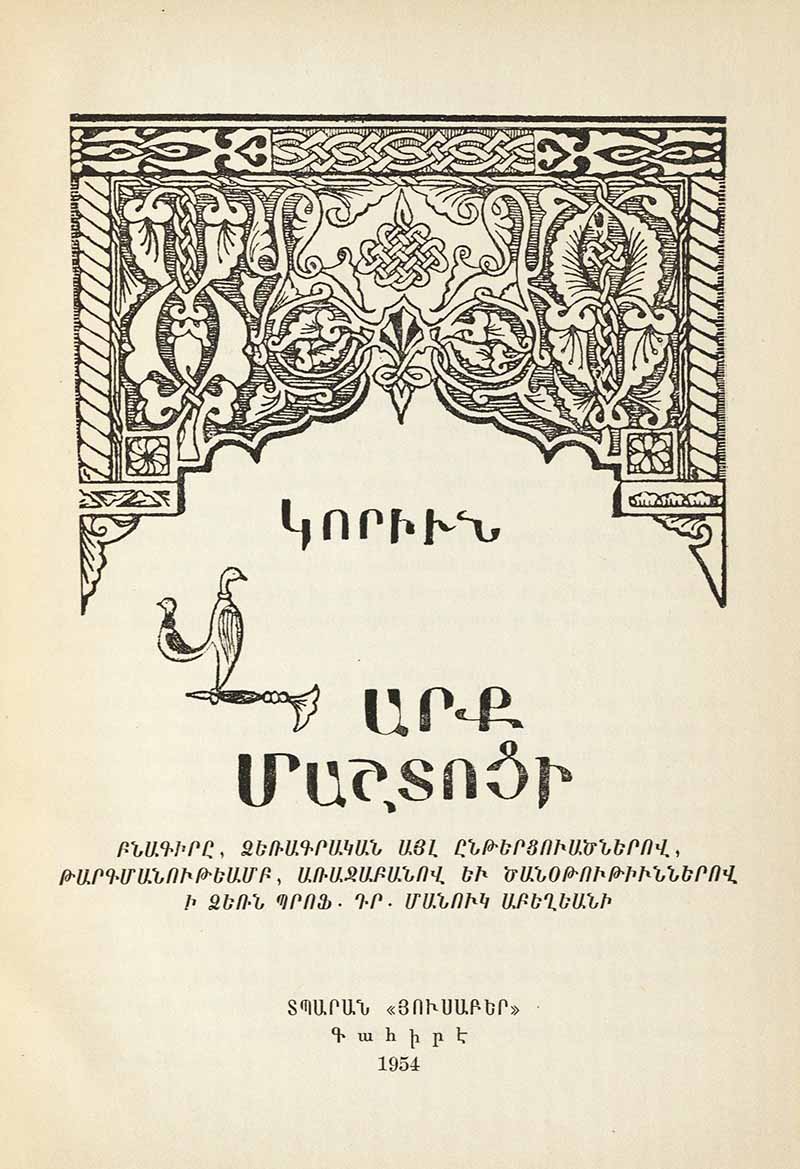 Title page of the Cairo-published critical edition translation of Koriun's Վարք Մաշտոցի / Varkʻ Mashtotsʻi (Life of Mashtots).
This collection is also well suited for language learners. It contains a substantial number of parallel-text editions pairing classical Armenian works with their modern reformed versions. An example is Hrach Bartikyan's modern Eastern Armenian translation of Matthew of Edessa's twelfth-century Ժամանակագրություն / Zhamanakagrutʻyun (Yerevan State University Press, 1991), printed facing the Classical Armenian original. Part of Yerevan State University’s “Student's Library” series, it serves as a teaching edition of one of the most important Armenian narrative sources for the Crusader period and the kingdom of Cilicia. For those who are more focused on studying Western Armenian standards and orthography, the collection offers resources such as the Cairo-published critical edition translation of Koriun's Վարք Մաշտոցի / Varkʻ Mashtotsʻi / Life of Mashtots (Cairo, 1954), the earliest extant original work of Classical Armenian literature.
The Garsoïan collection at ISAW comes into focus as an extremely substantive corpus of Armenian and Near Eastern material that is rarely collocated on the East Coast. As my time at ISAW ends, I hope that future readers, at NYU and beyond, find their way to the literature Nina Garsoïan entrusted to ISAW.